
Top Greece Tours For Sun And Culture
Greece mixes warm sun, clear seas and old stones that still tell stories. Greece tours help every visitor enjoy it all, from first-timers and couples to families, friends and solo travelers. A good tour handles the roads, the tickets and the stories, so each day feels easy from the first stop to the last.
This guide covers the main regions, from the classical sites and Athens to Crete, Rhodes, Corfu and the Aegean islands. Each part shows what to see, which kinds of trips people choose and what comes with them. For more trip ideas across the whole country, My Greece Tours is a friendly place to start.
Which Greece Tours In The Classical Sites Suit Every Traveler?
The best Greece tours in the classical sites pair a skilled guide with easy transport. They also leave enough time to enjoy each ruin without rushing. Trusted planners for Greece tours and Tours In Greece send visitors to these same timeless places. Myths and real history meet at every stop.
What should be on every list in the classical sites?
Delphi clings to a steep mountain slope above a sea of olive trees. The ancient Greeks called it the center of the world. People came to its sanctuary, which means a holy place, to hear the oracle. The oracle was a priestess who gave advice that was said to come from the god Apollo.
Farther north, the monasteries of Meteora perch on top of giant rock towers. Monks built them there to stay safe and close to heaven. In the south lies Mycenae, a citadel, or walled fortress on a hill. Its famous Lion Gate still guards the way in, just like in the old Greek legends.
At Epidaurus, a whisper on the theatre stage reaches the very top rows. Nearby, the harbour town of Nafplio has pretty lanes and a castle above the sea. Ancient Olympia is the birthplace of the Olympic Games. Many routes also pause at the canal at Corinth, a narrow cut through solid rock.
How are Greece tours set up in the classical sites?
Small-group tours suit couples and solo travelers who like a guide close by and time to ask questions. Full-day trips from Athens by coach suit first-timers with limited days. The coach handles the long drive, and guests are back at their hotel by night.
Guided walking tours work well for curious minds who love a good story. The guide leads the way through the ruins and brings each stone to life. Entry tickets suit independent travelers who prefer to explore at their own pace and stay as long as they like.
Multi-day Greece tours with hotel nights suit families and friends who want to see more without daily planning. These trips link the top archaeological sites in Greece into one smooth loop. Nobody has to drive or read a map.
Which services make Greece tours in the classical sites easier?
A licensed guide makes the biggest difference at these ancient places. Greek guides study hard to earn their license, so they know the myths, the history and the best photo spots. A local guide also shares small tales that no sign at the gate explains.
Entry tickets that come with a tour save both time and stress. Guests skip the ticket line and walk straight in behind the guide. This matters most at busy sites in summer, when standing in the sun feels long.
Hotel nights on multi-day trips remove the hardest part of planning. The tour books clean rooms in handy spots, so guests just unpack and rest. Families love this, because tired kids get a proper bed after a full day of sights.
Which tricks save time in the classical sites?
Start early, because the classical sites are cooler and calmer in the morning. Tour buses arrive later in the day, so the early hours feel peaceful. Wear sturdy shoes with good grip, since old stone paths are uneven and slippery in places.
Bring a hat, sunscreen and a refillable water bottle, as shade is rare among the ruins. Pack a light scarf for Meteora, where the monasteries ask visitors to cover shoulders and knees. Reading a short myth about each site before the trip makes every visit mean much more.
Plan a slow lunch between two sites, ideally in a village taverna with shade. A long break restores energy for the afternoon visit. It also gives children and older travelers a chance to rest before the next walk.
Where Do Greece Tours Go In Athens?
Greece tours in Athens head to the Acropolis, the Acropolis Museum and the old lanes of Plaka. Many also leave the city for the sea temple at Cape Sounion. The capital mixes ancient wonders with lively cafés, so every kind of traveler finds something to love.
What should be on every list in Athens?
The Acropolis rises above Athens like a crown of white marble. On top stands the Parthenon, a great temple built for the goddess Athena. Beside it sits the Erechtheion, famous for its porch of stone maidens. These carved women, called Caryatids, hold up the roof on their heads.
Below the hill, the Acropolis Museum keeps many original statues safe from wind and rain. Its glass floors show old streets below. Nearby, the Ancient Agora was the city’s market and meeting place, where the thinker Socrates talked with ordinary people. The giant columns of the Temple of Olympian Zeus rise just beyond.
Plaka and Monastiraki are the old neighborhoods at the foot of the Acropolis. Their lanes are full of small shops, family tavernas and a busy flea market. The view from Lycabettus Hill takes in the whole city. Outside Athens, the Temple of Poseidon at Cape Sounion glows gold above the sea at sunset.
How are Greece tours set up in Athens?
Private tours with a driver-guide suit families and friends who want their own pace. A single price covers everyone in the car, so sharing it makes good sense. On the coast, a private skipper takes guests out on a boat for a quiet day at sea.
Boat cruises with swim stops suit sun lovers and couples. They sail along the Athens Riviera or out to the nearby islands. Guided walking tours suit first-timers who want the history explained in clear, simple words.
Cooking classes and wine tastings suit food lovers of every age. Guests cook Greek dishes, then sit down and share the meal they made. The best Greece tours from Athens blend these kinds into one full and happy day.
Which services make Greece tours in Athens easier?
Lunch or a BBQ meal is a big plus on boat days. Fresh salads, grilled meat and warm bread taste even better after a swim. A meal on board also means guests do not need to hunt for a taverna in a new place.
Drinks come with most cruises, and some trips pour unlimited soft drinks, beer or wine. Wine tastings on food tours let guests sample local grapes with cheese and olives. A licensed or local guide explains each dish and each ruin, so nothing feels confusing.
Swim stops matter just as much on Greece tours near Athens. They break up a hot day and give everyone a chance to cool off in clear water. Kids love them, and adults return to the city feeling fresh and relaxed.
Which tricks save time in Athens?
Visit the Acropolis at opening time or late in the afternoon to dodge the heat and crowds. Book a timed entry slot ahead during the busy season. Wear shoes with grip, because the marble paths up the hill are smooth and shiny. Travel light, since a small bag is easier on the steep paths.
Carry water, a hat and sunscreen, as the hilltop has little shade. Pack a swimsuit and towel for boat days, plus a light jacket for the sea breeze. Take the metro into the center, since city traffic moves slowly at rush hour.
Use the metro and short taxi rides to link sights in the centre. Walking between neighbourhoods is pleasant in the early evening, when the streets fill with locals. Keep the hottest hours for a museum, a café or a rest at the hotel.
Which Greece Tours In Crete, Rhodes And Corfu Do Travelers Remember?
Travelers remember Greece tours in Crete, Rhodes and Corfu that join old palaces and castles with boat days on blue water. These big islands feel like small countries. Each one blends history, beaches and food in its own special way.
What should be on every list in Crete, Rhodes and Corfu?
On Crete, the palace of Knossos sits just outside the busy city of Heraklion. It belonged to the Minoans, an early people who ruled the island long before classical Greece. Legend says the maze of the Minotaur, a half-bull monster, lay below it. The Heraklion museum holds its bright wall paintings.
Chania has a Venetian port, built when traders from Venice ruled the island. Its old lighthouse and colorful houses glow in the evening light. West of town, Balos lagoon shines with pale sand and shallow turquoise water. On Rhodes, the Street of the Knights keeps the stone inns where knights once lodged.
Above the white village of Lindos, an acropolis, or hilltop fortress, looks over a deep blue bay. Corfu guards its old town with mighty fortresses that face the sea. Many travelers also sail to the Blue Caves of Zakynthos. There, sunlight bounces off the water and paints the cave walls bright blue.
How are Greece tours set up in Crete, Rhodes and Corfu?
Private tours with a driver-guide suit families who want to reach hidden beaches and mountain villages. A private skipper suits couples who dream of a quiet bay of their own. In both cases, one price covers everyone on board, which keeps costs simple.
Boat cruises with swim stops suit nearly everyone, from kids to grandparents. They visit spots like Balos lagoon that roads cannot reach easily. Cooking classes and wine tastings suit food lovers who want to learn island recipes in a farm kitchen.
Travelers who start or end their trip in the capital can add full-day trips from Athens by coach. These Greece tours suit first-timers who want to see the mainland before flying out to the islands.
Which services make Greece tours in Crete, Rhodes and Corfu easier?
Lunch or a BBQ meal on deck turns a boat trip into a feast. Grilled fish, fresh salads and fruit keep energy up between swims. Drinks are part of the deal too, and some cruises serve unlimited soft drinks, beer or wine.
Swim stops are the heart of these island days. Guests jump into clear coves and float above sand and rock. Free time to explore matters as well. It lets travelers wander a harbour, buy a gift or find a café without watching the clock.
A licensed or local guide brings Knossos and Lindos to life with myths and clear facts. On food tours, wine tastings pair local wines with olives, cheese and honey. Good Greece tours here balance learning, eating and resting in a single smooth day.
Which tricks save time in Crete, Rhodes and Corfu?
Book boat days early in the trip, so a windy day can be swapped later. Visit Knossos and Lindos first thing in the morning, before the heat and crowds arrive. Wear strapped sandals for rocky beaches and boat ladders.
Pack reef-safe sunscreen, a hat and a dry bag for phones on boat trips. Leave the long mountain roads to the tour driver and keep a rental car for short hops. Island fans with extra days can later catch a ferry to Paros for a calmer Cyclades stay.
Stay in one base for several nights instead of moving every day. Day trips from a central town save hours of packing and travel. Local buses and small boats reach most beaches and villages without stress.
Which Greece Tours In The Aegean Islands Give Good Value?
Greece tours in the Aegean islands give good value when a single trip covers the boat, swim stops, a meal and drinks. Shared cruises cost far less than hiring a whole boat. Sunsets, beaches and ancient ruins fill these islands, and good tours let visitors see more in less time.
What should be on every list in the Aegean islands?
On Santorini, the village of Oia draws crowds at sunset, when white houses and blue domes glow pink and gold. Boats also sail to the dark volcano in the middle of the bay. Guests hike across black lava rock, then swim to hot springs that tint the sea orange.
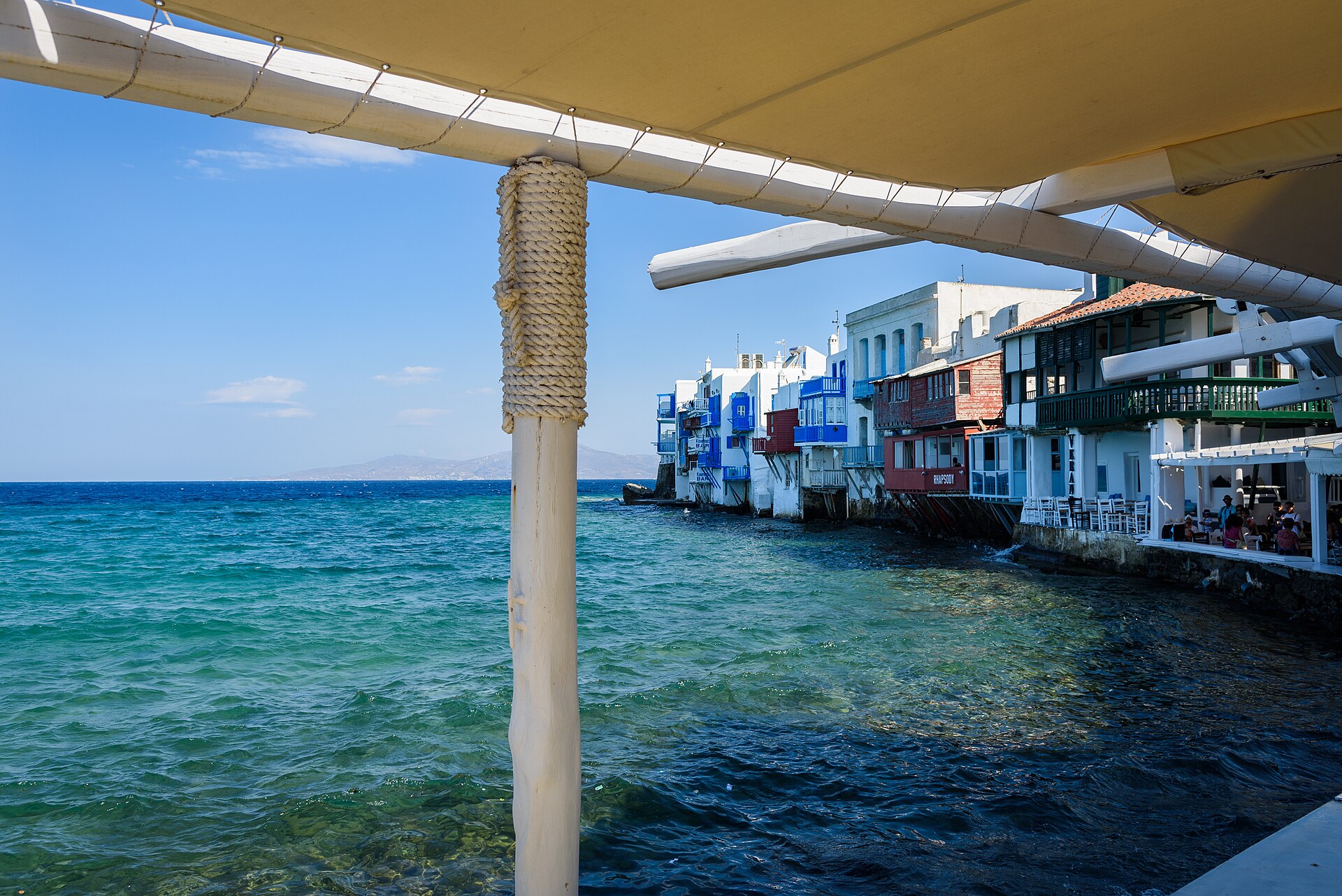
Mykonos mixes famous windmills, narrow white lanes and lively sandy beaches that stay busy until late. A short boat ride away lies ancient Delos, the sacred island where myths say Apollo was born. Today the whole island is an open-air museum of ruins, mosaics and marble lions.
On Milos, the white rocks of Sarakiniko look like the surface of the moon. On Naxos, a huge marble gateway called the Portara stands alone by the harbour. It once led into a temple that was never finished. On Paros, Lefkes village offers quiet lanes, old churches and fresh mountain air.
How are Greece tours set up in the Aegean islands?
Private tours with a driver-guide or skipper suit couples and families who want full freedom. A single price covers everyone on board, so friends can split it. Small-group tours suit solo travelers who enjoy meeting new people while a guide handles the plan.
Boat cruises with swim stops are the classic choice for sun lovers. Snorkel and beginner scuba trips suit active travelers, even those who have never dived before. An instructor explains every step on the boat before anyone enters the water.
Full-day trips from Athens by coach suit busy visitors, since they meet fast boats to nearby islands. Cooking classes and wine tastings suit food fans who love local flavors. For longer stays, Greek island hopping joins several of these Greece tours into one easy route.
Which services make Greece tours in the Aegean islands easier?
Lunch or a BBQ meal on board saves time and money on long sea days. Crews grill meat or fish while guests swim, then serve it with salad and bread. Drinks come with the trip, and some cruises pour unlimited soft drinks, beer or wine.
Snorkel gear on board means nobody needs to pack a mask and fins. Guests just grab a set and look at the fish over sea grass and rocks. Swim stops happen at coves that only boats can reach, which makes every dip feel special.
Wine tastings on Santorini show off grapes grown in volcanic soil. Guests sip crisp whites beside the sea and learn how island farmers protect their vines from the wind. These touches make Greece tours here feel easy and rewarding.
Which tricks save time in the Aegean islands?
Book sunset cruises and Oia evenings early, since they fill fast in summer. Plan Delos for the morning, before the island heats up, and bring water as shade is scarce. Check ferry times the night before, because strong summer winds can change plans.
Pack a light jacket for windy boat decks, plus reef-safe sunscreen and a hat. Water shoes help on the volcano and on rocky beaches like Sarakiniko. Keep cash in small notes for island buses and snacks, as some kiosks do not take cards.
Conclusion: Top Greece Tours For Sun And Culture, Planned Well
Greece rewards every visitor who plans with care. The classical sites bring myths to life, and Athens shows where many old ideas began. The islands add sun, sea and slow evenings. The right Greece tours connect it all, with guides, meals, tickets and swim stops arranged ahead.
Couples, families, friends and solo travelers each find a style that fits. Some prefer small-group tours in Greece, while others pick private boats or easy coach days. Whatever the choice, Greece tours turn a simple holiday into stories worth telling for years.
Frequently Asked Questions About Top Greece Tours For Sun And Culture
Are Greece tours good value?
Yes, Greece tours give good value because a single booking covers transport, a guide and, on many trips, meals or entry tickets. Planning all of this alone takes more time and money. Shared trips keep costs low, while private trips pay off when several people split the price.
How early should you book Greece tours?
Book Greece tours a few weeks ahead for spring and autumn trips. For summer, booking earlier is smart, since sunset cruises, boat days and timed Acropolis slots sell out fast. Last-minute spots do appear, but the best choice of times goes to early planners.
Do Greece tours include lunch?
Many Greece tours include lunch, especially boat cruises and full-day trips. On boat days, the crew serves a BBQ meal or fresh salads on deck. Walking tours and entry tickets leave food out, so check the details before booking.
Can you change Greece tours after booking?
Most Greece tours allow changes or free cancellation up to a set time before the start. The exact rules appear on each booking page, so read them first. If bad weather cancels a boat trip, the organizer offers a new date or a full refund.
Do Greece tours include hotel pickup?
Many Greece tours include hotel pickup, especially coach trips from Athens and private tours. Others use a clear meeting point in the center or at the port. The booking details show which option applies, along with the exact place and time.
Do Greece tours run in all weather?
Land-based Greece tours run in light rain or strong sun, since the sites stay open. Boat trips depend on the wind and sea, so captains cancel when waves turn rough. In that case, guests get a new date or their money back.
Why do guided Greece tours help?
Guided Greece tours help because a local expert turns old stones into living stories. Travelers also skip the planning, the ticket stress and the guesswork about where to go next. That leaves more energy for looking around, asking questions and simply enjoying each day of the trip.
Stories that make the ruins clear
Many ancient sites look like simple piles of broken marble and scattered stones at first glance. A good guide explains what each building was for, who used it and why it mattered. Only state-licensed guides may lead tours inside Greek archaeological sites and museums, so visitors get trained experts.
Those guides also put difficult history words into plain, everyday language for every visitor. For example, an ancient temple was a home for a god, not a place for weekly prayer. An agora was the open market square where citizens traded goods and argued about politics.
On Greece tours of Athens, timing matters as much as stories. Guides know the quiet times and the shaded paths, and they share simple tricks for avoiding crowds at the Acropolis. They also know the best spots for a clear view of the Parthenon.
Less stress with tickets and holy places
Entry lines at the top sites can grow long during the warm summer months. Many Greece tours handle entry tickets for their guests, which saves time and worry. Independent travelers can read about buying Acropolis tickets in advance before they decide.
Guides help at religious sites too. Greek monasteries are working homes for monks and nuns, so visitors need covered shoulders and knees. A guide explains these customs before arrival, and this guide on how to visit Greek monasteries adds more detail.
Families gain a great deal from guided Greece tours as well. Children often listen better to a lively storyteller than to a dusty sign or a thick book. Solo travelers enjoy having a friendly expert to chat with between the stops on Greece tours.
How do you plan rest around Greece tours?
Plan rest by placing an easy day after each busy tour day. Avoid the midday heat, book calm places to sleep and leave free evenings for slow meals. Rested travelers enjoy Greece tours far more than tired ones.
Use the slow hours of the day
Summer afternoons in Greece can feel very hot, especially on open sites with little shade. For this reason, many Greece tours start early in the morning and finish before the strongest sun. After lunch, a nap, a swim or a quiet coffee in the shade helps the body reset.
Greeks themselves often slow down in the afternoon, especially in small towns and villages. Many local shops close for a break after lunch, then open again in the cooler evening. Following this local rhythm makes long days on Greece tours feel easier.
Rest days between Greece tours do not need to be empty or dull. Simple ideas that keep the body calm include the following:
- A lazy morning swim at a nearby beach
- A long lunch at a family taverna
- A slow walk through the old town at sunset
- A quiet afternoon with a book in a shady square
- A gentle boat ride along the coast
Pick calm places to stay
The place where travelers sleep shapes how well they rest between long days of sightseeing. Small family hotels, farm stays and guesthouses often sit away from busy streets. Many of these eco-friendly places to stay also serve local food and save water and power.
Nature offers a different kind of rest for tired eyes and busy minds. Wetlands, forests and mountain parks give a break from crowded ruins and noisy ports. A list of the best nature reserves in Greece helps travelers find quiet green spaces between Greece tours.
Slow travel between stops also counts as a form of rest. Trains through mountain valleys let travelers sit back and watch the land roll past the window. Some of the best scenic train rides fit neatly between two Greece tours.
Local holidays change the pace of daily life too. During Greek Easter and summer feast days, villages fill with music, food and church services. Learning about Greek holiday customs helps travelers plan rest around these busy, joyful times.
How do you find the meeting point for Greece tours?
Find the meeting point by reading the booking details and saving the exact spot on a phone map. A quick visit the day before and an early arrival remove most stress. Clear steps on the morning itself help Greece tours start on a good note.
Read the booking details with care
Most bookings for Greece tours list a meeting spot, often with a short note about a landmark nearby. Travelers should copy the address, the landmark and the guide’s phone number into one place. A screenshot of these details helps a lot when mobile data or phone battery runs out.
Meeting points in Greece are often a hotel lobby, a café, a port gate or a famous statue. Old town streets can twist and change names, so the landmark matters more than the street number. Some tours also offer hotel pickup, which removes the search completely.
Greek street signs can look confusing to first-time visitors. Many signs show both Greek and English letters, but some only show Greek. A few basic words and a map app with an offline mode solve most of these problems.
Arrive early and travel light
A practice walk to the meeting point the day before works well, especially in Athens or busy island towns. It shows how long the trip takes and where the nearest café or toilet is. On the day, arriving early leaves time for a calm coffee.
Walking to the meeting point is often the easiest choice in old town centers. Cars cannot enter many narrow lanes, and taxis can get stuck in traffic. Anyone who enjoys time on foot can use this guide to Greece walking tours for routes and tips.
Choosing buses, trains or a walk instead of a private car also lowers the trip’s impact on the land. Small choices like this are part of sustainable travel in Greece. They also help travelers see daily life up close before Greece tours begin.
How do you decide between private and shared Greece tours?
Choose private Greece tours for flexible timing, personal attention and special needs. Choose shared Greece tours for a lower cost, a social mood and fixed plans that need no extra thought. Both kinds of Greece tours can cover the same famous sites and well-loved views.
When private Greece tours make sense
Private Greece tours follow the pace of the guests, not a fixed timetable set for strangers. A family with small children can stop for snacks, and a couple can linger at a viewpoint. Guests with limited mobility gain the most, since the guide adjusts every step.
Private tours also suit special interests. A food lover can spend longer at a market, while a history fan can ask endless questions. This guide to Greece private tours explains how to shape a day around personal goals.
Private options also make it easier to reach quiet places. A driver and guide can head to mountain villages, small chapels and empty beaches. Many of these hidden gems beyond the tourist trails sit far from bus routes.
When shared Greece tours make sense
Shared tours cost less per person because guests split the cost of the guide and transport. They suit solo travelers who enjoy meeting new people from many countries. Friends traveling on a tight budget also find good value in this simple format.
Shared Greece tours follow a fixed route and a set schedule. This suits first-time visitors who want the main sights without making choices. The downside is less freedom to stop, change plans or stay longer at a favorite spot.
Many travelers mix both kinds of tour during one trip to Greece. A shared tour works well for a famous site, while a private tour suits a special day out. This balance keeps costs sensible and still gives a few personal moments.
Which Greece tours suit a relaxed trip?
Relaxed Greece tours suit travelers who want few stops and long breaks. Half-day walks, boat trips, food tastings and beach days on one or two islands fit this pace best. These Greece tours leave plenty of time for swims, naps and long dinners by the sea.
Half-day tours and slow island stays
Half-day Greece tours often finish around lunch, which leaves the whole afternoon free for rest. This shorter format suits families with small children and older travelers who tire in the heat. It also suits couples who want a slow honeymoon with a little culture each day.
Staying in one island base makes a relaxed trip even easier. Travelers can unpack once, then join day trips to nearby beaches, villages and viewpoints. A smart guide to packing light for island tours helps keep bags small and moves simple.
Boat trips are another favorite on relaxed Greece tours. Many include swim stops in clear bays, time to sunbathe on deck and a simple lunch on board. Some boats also visit quiet coves and sea caves that no road can reach.
Food, wine and village tours
Food-focused Greece tours move at an easy walking pace and end with a full stomach. Travelers can join cooking classes, olive oil tastings or wine tours on islands like Crete and Santorini. Each stop gives a chance to sit down, taste slowly and learn how local dishes are made.
Village tours offer the same gentle rhythm in the countryside. Guides lead short walks through stone lanes, old churches and small squares where locals drink coffee. Learning a few essential Greek phrases, such as “kalimera” for good morning, makes these visits even warmer.
Parents planning relaxed Greece tours with children should look for short travel times and shady stops. Playgrounds, beaches and ice cream breaks matter as much as ruins for young travelers. These family-friendly Greece travel tips cover easy places and what to know before going.
Which Greece tours suit a steady pace?
Steady Greece tours suit travelers who want one main sight each day plus free time. Multi-day mainland loops and escorted trips with a few nights in each place fit well. This pace balances learning and rest without long, tiring days on the road.
Escorted Greece tours with a calm rhythm
Escorted Greece tours take care of hotels, transport and guides, so travelers only need to show up. A classic mainland loop links Athens with Delphi, Meteora and Olympia over several days. This guide to choosing an escorted tour itinerary helps compare different routes and pace levels.
Steady Greece tours often spend more than one night in each stop. That means less packing, fewer early checkouts and more time to explore each town on foot. At Delphi, home of the ancient oracle, a priestess who gave advice, the village feels peaceful once day visitors leave.
Guides on steady trips usually lead the main visit in the morning. Afternoons stay open for a museum, a swim or a long lunch at a local taverna. This rhythm works well for couples and friends who share a love of history.
Self-paced days with local transport
Some travelers prefer to build their own steady pace with day tours from a single base. Regional buses and trains link many main towns, and they cost far less than private transfers. This practical guide to exploring Greece by public transport explains routes, tickets and timing.
A steady pace also leaves time to notice local manners. Greeks greet shopkeepers when they enter a store, and they dress modestly in churches. A short guide to cultural etiquette in Greece helps visitors fit in with ease.
Solo travelers often like this pace best on Greece tours. They can join a guided walk in the morning, then spend the afternoon on their own. Evenings in busy town squares make it easy to meet other travelers.
Which Greece tours suit a packed schedule?
Packed Greece tours suit energetic travelers with little time who want to see as much as possible. Full-day site tours, early starts and quick island hops fit this pace. This style works best for short trips and first-time visitors with a long wish list.
Full-day Greece tours and early starts
Full-day Greece tours from Athens reach famous sites in one long outing. Popular routes head to Delphi, to Meteora, or south to ancient Mycenae and the theater of Epidaurus. These trips start early and return in the evening, so travelers need good sleep the night before.
Early starts bring real benefits on a packed schedule. The air is cooler, the light is soft for photos and the lines at ticket gates are shorter. Many travelers find that the first hours of the day are the best hours of the trip.
Long days in the sun on packed Greece tours call for care. Travelers should carry water, wear a hat and use strong sunscreen, even on cloudy days. These safety tips for Greece tourists cover heat, crowds and simple ways to keep valuables safe.
Quick island hopping by ferry
Packed Greece tours often include several islands in a short trip. Fast ferries link popular Cyclades islands such as Mykonos, Paros, Naxos and Santorini. Smart Greek ferry booking tips help travelers find good routes and the right seats.
Summer winds in the Aegean can delay or cancel ferries, especially on smaller boats. For this reason, a busy plan should leave a spare day before any flight home. These tips for ferry travel explain boarding, luggage and what to do when plans change.
A packed schedule still needs a little breathing room. One slow evening every few days helps the body recover and keeps tempers calm. Without that pause, even the most beautiful views start to blur together.
Packing light also helps on a busy route. A small case moves easily on and off boats, buses and trains. Fewer bags mean faster hotel changes and more energy left for the sights at each stop. Laundry services on the islands make this even easier.
Which Greece tours suit a mixed pace?
Mixed-pace Greece tours suit most travelers because they blend busy sightseeing days with slow beach or village days. This rhythm keeps energy high from the first day to the last. It also works when travel partners want different things from the same trip.
How to build a mixed-pace plan
A popular mixed plan starts with busy days in Athens and ends with slow days on an island. Another simple method swaps busy and quiet days, one after the other. A guide to choosing the right Greek tour helps match each day to the right kind of trip.
Mixed-pace Greece tours work well when each day follows a clear pattern. Useful patterns for a balanced trip include these simple ideas:
- A full history day followed by a beach day
- A morning tour with a free afternoon
- A busy city stretch before a quiet island stay
- A long ferry day followed by a slow village walk
- A day hike paired with an early night
Mixed pace on a budget
Mixing the pace of Greece tours also helps the travel budget. Slow days on the beach, picnic lunches and free walks through old towns cost far less than full-day tours. These budget tips for Greece visitors show how to save money without missing the highlights.
Travel partners with different energy levels gain the most from a mixed pace. One person can join a full-day tour while another stays by the pool or explores the town. Both meet again at dinner with fresh stories to share.
Families find that mixed-pace Greece tours keep children happy and curious. A morning at an ancient site feels exciting when an afternoon at the beach follows it. In the end, the right pace turns a good trip into a great one.
Which places do Greece tours visit?
Greece tours reach famous islands, ancient sites on the mainland and large green islands, so most trips blend sea views with history. Each region adds its own food, colours and pace to the journey.
Islands
The Cyclades are small, dry islands with white villages and deep blue water. Greece tours here focus on boat trips, beaches and sunset walks. Each island has a different mood, so pairing two of them gives a fuller picture.
Ferries link the islands in a loose chain, so moving between them is simple in the warm months. Mornings are best for swimming, while late afternoons bring softer light for photos. Couples and friends often stay two or three nights on each island to enjoy the slower island rhythm.
- Santorini: a volcanic crater, cliff villages and famous evening views
- Mykonos: windmills, stylish lanes and lively beach clubs
- Naxos: green valleys, long beaches and hearty village food
- Milos: strange white rocks, sea caves and quiet fishing coves
- Ios: golden beaches, a hilltop town and relaxed sunny days
Mainland
The mainland holds the great stories of ancient Greece. Greece tours here travel by coach or car from Athens to temples, theatres and sacred hills. A local guide turns broken stones into vivid tales of heroes and gods.
Between the famous sites, the drive itself is a pleasure. Olive groves, small chapels and mountain villages pass by the window. A coffee stop in a village square often becomes one of the warmest memories of the day.
- Athens: the Acropolis, rich museums and busy old market streets
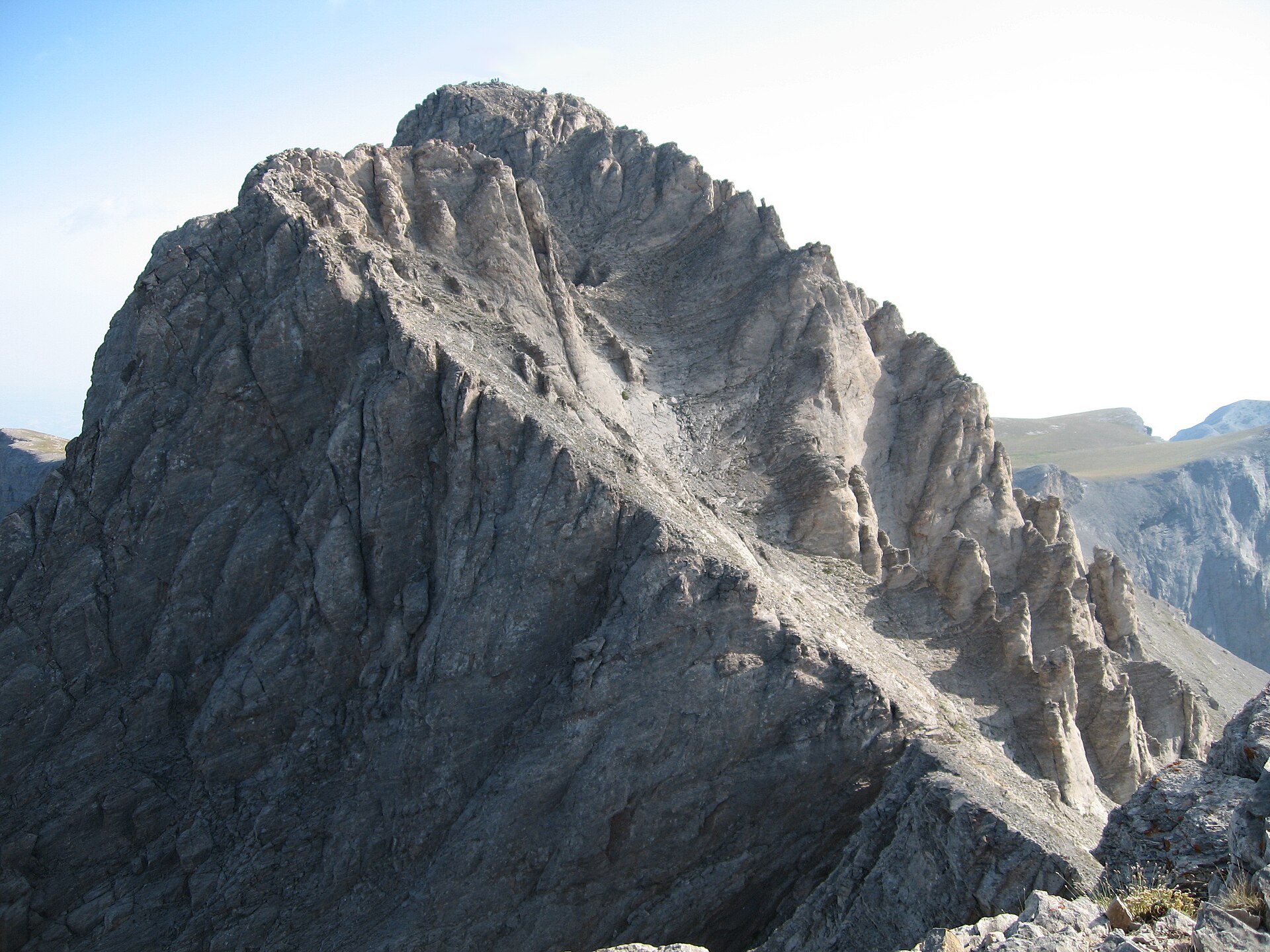
- Delphi: a mountain sanctuary once seen as the centre of the world
- Meteora: monasteries balanced on top of giant rock towers
- Olympia: the green valley where the ancient games began
- Mycenae: a fortress city of legendary kings and huge stone walls
Large islands
The large islands mix mountains, old towns and long coastlines. Greece tours on these islands often use one base and short day trips. That rhythm suits families and anyone who dislikes packing every morning.
A rental car helps on the large islands, since beaches and villages spread far apart. Guided days still work well for old towns and castles, where stories bring each wall to life. Mixing both styles gives freedom without missing the main sights.
- Crete: old palaces, deep gorges and some of the best food in Greece
- Rhodes: a walled old town built by medieval knights
- Corfu: green hills, Venetian lanes and pretty seaside villages
- Kefalonia: dramatic cliffs, sea caves and bright turquoise bays
How do you plan Greece tours over eight days?
Eight days of Greece tours fit neatly into three parts: a few days in Athens, a couple of mainland days, then a slow finish on the islands. This order keeps travel short and ends the trip by the sea. Booking the main guided days ahead leaves the evenings free for wandering.
Start with three days in Athens
Athens is the natural first stop, because most flights land there. A guided Acropolis visit on the first morning gives context for everything that follows. The afternoon suits a gentle walk around Plaka and its small squares.
The second day suits a museum and a food tasting in the central market. On the third day, a coastal drive to Cape Sounion ends with sunset at the temple of Poseidon. This week-long Athens and islands plan shows how these days connect.
Evenings in Athens are part of the fun. Rooftop terraces face the lit Acropolis, and small tavernas serve grilled fish and fresh salads. These slow nights balance the busy sightseeing days of Greece tours.
Add two days for the classic mainland
Days four and five head north to Delphi and Meteora. Many Greece tours combine both in one overnight trip, with a night in the town below the rocks. The mountain roads are scenic, and lunch stops in small villages add local flavour.
Travelers who prefer more freedom can rent a car or use buses for this stretch. This guide to self-guided trip planning covers routes, rest stops and timing. Either way, early starts help avoid the busiest hours at each site.
Comfortable shoes matter on these days, because both sites involve steps and uneven paths. Monasteries also ask for covered shoulders and knees. A light scarf or long skirt solves this quickly and takes no space in a bag.
Finish with three days on the islands
The last three days belong to one or two Cyclades islands. A ferry or short flight from Athens reaches them easily. Greece tours on the islands slow down to swims, boat trips and long dinners by the harbour.
Choosing the right island depends on taste. Some visitors want sunsets and views, while others want quiet beaches and village food. This list of the top Greek islands to visit helps match each island to a travel style.
Island days need little planning once the hotel is set. A morning boat trip, an afternoon nap and a sunset dinner make a perfect day. Families often add a beach with shallow water, while couples look for a quiet cove away from the crowds.
The final morning should stay light. A last swim, an unhurried breakfast and an early ride to the port keep the end calm. A relaxed finish makes the whole week of Greece tours feel complete.
More questions about Greece tours
These quick answers cover common worries before booking Greece tours. They suit couples, families, friends and solo travelers alike. Each answer comes first, followed by a short practical tip for the day itself.
Are Greece tours suitable for wheelchair users?
Some Greece tours suit wheelchair users well, especially private tours with adapted vehicles, though steep sites and old lanes stay hard. The Acropolis has a lift for visitors with limited mobility. Asking about ramps, steps and vehicle access before booking avoids surprises.
What happens if weather cancels Greece tours?
When storms or strong winds cancel Greece tours, operators usually offer a new date or a refund, depending on their booking terms. Boat trips are the most likely to change, since the sea decides. A spare day in the plan makes a moved tour easy to fit in.
Can you thank a guide on Greece tours?
Thanking a guide on Greece tours is always welcome, and a small tip or a kind word at the end both show real appreciation. Tipping is not required in Greece. Many guides also value a friendly online review after the trip.
Can you bring snacks on Greece tours?
Light snacks are fine on most Greece tours, and they help on long coach days or early boat trips between meal stops. Eating is not allowed inside many museums and on some ancient sites. Fruit, nuts and water fit easily in a small bag.
Are Greece tours fine for people who walk slowly?
Many Greece tours suit people who walk slowly, especially private or smaller tours that let guests set their own pace through each site. Big coach tours move faster and stop less often. Mentioning the need for extra time when booking helps the guide plan rests and shade.
Can a family book a private boat on Greece tours?
Yes, families can book a private boat on many Greece tours, choosing their own swim stops, lunch time and pace for the day. Children enjoy the freedom to jump into the sea and rest on deck. Booking early matters in summer, when private boats fill quickly.
See more in 24gr: